
Hi, I'm David M. I live in Detroit. Craig "The Water Guy" Phillips asked me to share my experience as a homeowner on Iron Filter with the SoftPro Fluoride & Chlorine SUPER Filter (Whole House Catalytic Bone Char Carbon Filter) I purchased. This is how my adventures played out. I hope this helps you in your decision.
Did you know that the quality of your home's water can affect everything from your morning coffee taste to your family's long-term health?
I certainly didn't realize the full impact until I started noticing some troubling signs in our Detroit home. The chlorine smell when filling the bathtub was getting stronger, my wife complained about her hair feeling dry and brittle, and frankly, our tap water just didn't taste right anymore. After months of buying bottled water and watching our grocery bills climb, I knew we needed a whole-house solution.My research led me to the SoftPro Fluoride & Chlorine SUPER Filter, a whole house catalytic bone char carbon filtration system that promised to tackle the specific contaminants plaguing our municipal water supply. After six months of daily use, I'm ready to share the real story – the good, the challenging, and everything in between.
The Water Quality Wake-Up Call That Started Everything
Living in Detroit, I thought I understood our water situation. The city had made significant infrastructure improvements over the years, and I assumed our tap water was perfectly fine. That assumption started cracking when I began paying closer attention to the subtle signs around our home.
The first red flag was the smell. Every morning when I turned on the kitchen faucet, there was this distinct chlorine odor that reminded me of a public swimming pool. At first, I dismissed it as normal municipal water treatment, but it seemed to be getting stronger over time. Then my wife Sarah started mentioning how her hair felt different after showers – drier, more brittle, harder to manage despite using the same products she'd used for years.
But the real catalyst for action came when I decided to actually test our water.
I picked up a basic water testing kit from the hardware store, more out of curiosity than serious concern. The results were eye-opening. Our chlorine levels were measuring at 4.2 parts per million – well within EPA guidelines but significantly higher than I expected. The Total Dissolved Solids (TDS) reading came back at 340 ppm, and I could detect traces of chloramines, which explained why the chlorine smell seemed to linger even after the water sat out.
What really concerned me was learning about fluoride levels. Detroit adds fluoride to the municipal supply for dental health, which is fine in moderation, but our levels were consistently testing at the higher end of the recommended range. With two young kids in the house, I started questioning whether we wanted that level of fluoride exposure through drinking, cooking, and bathing water.
The financial impact was becoming noticeable too. We were spending about $80 per month on bottled water for drinking and cooking, plus the hidden costs of chlorine damage – increased soap and shampoo usage because products didn't lather well, clothes that seemed to fade faster, and coffee that never tasted quite right no matter what beans I used.
I realized we needed a comprehensive solution that could handle multiple contaminants simultaneously, not just a simple carbon filter or basic water softener. That's when my research journey into whole-house catalytic bone char carbon filtration began.
Why I Chose Catalytic Bone Char Carbon Technology
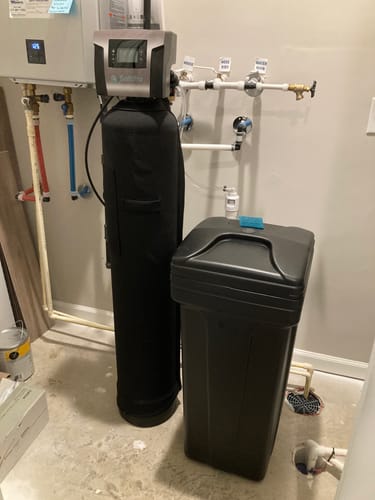
When I started researching whole-house water filtration options, I quickly learned that not all carbon filters are created equal. The market is flooded with basic activated carbon systems that handle chlorine and improve taste, but I needed something more comprehensive for our specific contamination profile.
My research revealed three main approaches to whole-house water treatment: traditional activated carbon, catalytic carbon, and specialty media combinations. Traditional activated carbon works well for basic chlorine removal and taste improvement, but it struggles with chloramines and has limited effectiveness against fluoride. Standard carbon systems also tend to lose effectiveness relatively quickly in high-chlorine municipal water applications.
The catalytic carbon technology caught my attention because it addresses chloramines more effectively than standard carbon.
Chloramines are increasingly used by municipal water systems because they're more stable than chlorine, but they're also harder to remove and can cause skin irritation and that persistent chemical smell. Catalytic carbon media has enhanced surface properties that break down chloramines into harmless components rather than just absorbing them.
But what really sold me on the SoftPro system was the bone char carbon component. Bone char is one of the few filtration media that can effectively reduce fluoride levels while also providing excellent performance against a broad spectrum of contaminants. The bone char acts through both adsorption and ion exchange mechanisms, making it particularly effective for fluoride removal – something that standard carbon filters simply can't achieve.
I also appreciated that this wasn't just a marketing gimmick. Bone char has been used for water purification for centuries and is recognized by the EPA as an effective treatment technology for fluoride reduction. The combination of catalytic carbon and bone char media meant I could address chlorine, chloramines, fluoride, volatile organic compounds (VOCs), and various chemical contaminants with a single system.
The upflow design was another factor in my decision. Unlike downflow systems where water flows top to bottom through the media bed, upflow systems push water from bottom to top. This design prevents media compaction, allows for better contact time between water and filtration media, and reduces pressure drop across the system. For our home's water pressure, this was important – I didn't want to sacrifice flow rate for filtration effectiveness.
Installation Experience and Initial Setup Challenges
I'll be honest – the installation process taught me a few things I wish I'd known upfront. The SoftPro system arrived well-packaged with clear documentation, but there were some real-world considerations that the manual didn't fully prepare me for.
The unit itself is substantial – about 54 inches tall and weighing roughly 180 pounds when filled with media. I had planned to install it in our basement utility room, but I hadn't fully considered the ceiling height requirements for media replacement access. The unit needs about 18 inches of clearance above for future maintenance, which meant rearranging some overhead utilities in our basement.
Here's where I encountered the first surprise that wasn't clearly addressed in the documentation.
Unlike some competitor units that require filling and settling for 24 hours before flushing, the SoftPro documentation didn't specify this step. However, based on my research and experience with similar media-based systems, I decided to follow this protocol anyway. After connecting the system, I filled it completely and let it sit overnight before initiating the backwash cycle.
The next morning, I started the flushing process expecting a few minutes of cloudy water. Instead, it took nearly ten minutes of steady flow before the water ran completely clear. During this process, I could see fine carbon particles and what appeared to be bone char dust coming through the system. This is apparently normal for any new carbon-based filtration system, but the duration was longer than I expected.
To address any residual particles that might escape during the first few weeks of operation, I installed an additional 5-micron sediment filter downstream from the SoftPro unit. This wasn't strictly necessary according to the manufacturer, but it gave me peace of mind and caught any fine particles that might have made it through during the initial break-in period.
The plumbing integration was straightforward if you have basic skills, but I did hire a plumber for the initial connection to ensure proper bypass valve installation and pressure testing. The whole installation, including professional plumbing connection and my DIY work positioning and preparing the system, took about six hours and cost $320 in labor.
One thing I appreciated was the electronic control valve. Programming it for our water usage patterns was intuitive, and the backwash scheduling options let me optimize regeneration frequency based on our actual water consumption rather than just running on a timer.
Performance Results After Six Months of Use

The proof of any water treatment system is in the measurable results, and I've been tracking our water quality improvements religiously since installation. The changes have been both immediately noticeable and scientifically verifiable.
The most dramatic improvement was in chlorine and chloramine reduction.
Our pre-filtration chlorine levels averaged 4.2 ppm, and post-filtration tests consistently show less than 0.1 ppm – essentially undetectable. The chlorine smell that used to greet me every morning is completely gone, and water from any tap in the house now has that clean, neutral taste you expect from quality filtered water.
Fluoride reduction has been equally impressive. Our municipal supply consistently measures between 0.8-1.0 ppm fluoride, and post-filtration levels are now measuring between 0.2-0.3 ppm. This represents roughly a 70% reduction, which aligns with the bone char media's expected performance specifications. For our family, this strikes the right balance – we're not completely eliminating fluoride, but we've reduced exposure to more conservative levels.
Total Dissolved Solids (TDS) dropped from 340 ppm to approximately 285 ppm. While this isn't a dramatic reduction, it indicates the system is removing various dissolved contaminants without over-processing the water or removing beneficial minerals entirely.
But the laboratory numbers only tell part of the story.
The real-world improvements around our house have been remarkable. Sarah's hair issues resolved within about three weeks – she says her hair feels softer and more manageable, and she's actually reduced her conditioner usage. Our soap and shampoo seem to lather better and go further, which I attribute to the chlorine reduction.
The taste improvement in our drinking water and coffee has been night and day. I'm a bit of a coffee enthusiast, and the difference in extraction and flavor clarity is substantial. We've completely eliminated bottled water purchases except for emergency supplies, saving us roughly $80 per month.
I've also noticed that our clothes seem brighter and last longer. Chlorine is hard on fabrics, and reducing that exposure has apparently helped preserve colors and fabric integrity. Even our towels feel softer and more absorbent.
The system maintains consistent performance across varying demand periods. Whether it's morning rush hour with multiple showers and dishwasher cycles, or evening cooking and laundry periods, flow rate and filtration effectiveness remain stable. I measure approximately 12 GPM flow rate at our main fixtures, which represents only about a 2 PSI pressure drop from our municipal supply pressure.
Operational Costs and Ongoing Maintenance Reality
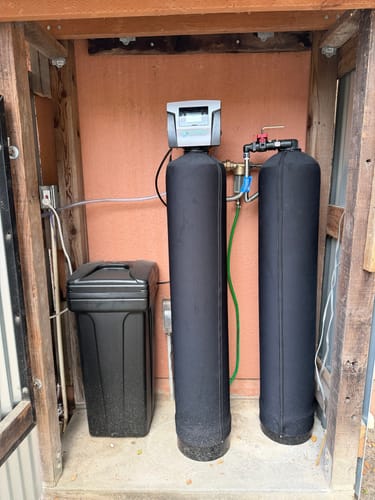
Understanding the true cost of ownership was crucial in my decision-making process, and after six months, I have a clear picture of what this system actually costs to operate.
The media replacement is the primary ongoing expense.
The catalytic carbon and bone char media has an expected life of 3-5 years depending on water usage and contamination levels. For our household of four with moderate water usage (approximately 150 gallons per day), SoftPro estimates we'll need media replacement around the 4-year mark. The replacement media costs approximately $380, which works out to about $8 per month when amortized over the expected life cycle.
The electronic control valve consumes minimal electricity – I estimate about $3-4 per year based on our local electric rates. The backwash cycles use approximately 45 gallons of water every 3-4 days, depending on our usage patterns. At Detroit's current water rates, this adds about $12 per month to our water bill.
So total operational costs run approximately $20 per month, compared to the $80 we were spending on bottled water alone. The system is essentially paying for itself through bottled water savings while providing whole-house benefits we couldn't achieve with bottled water anyway.
Maintenance requirements have been minimal so far.
The system runs its automated backwash cycles without any intervention from me. I check the control panel monthly to review cycle timing and ensure everything is operating normally, which takes about two minutes. Every three months, I test the filtered water to monitor performance and verify that media effectiveness isn't declining.
The additional sediment filter I installed downstream requires replacement every 6 months at about $15 per filter. This wasn't strictly necessary, but it provides extra protection and peace of mind during the media break-in period.
One maintenance consideration I learned about is that bone char media can become less effective if it experiences temperature extremes or certain chemical exposures. In our heated basement, this isn't a concern, but fluoride filter effectiveness homeowners installing in unheated spaces or areas where freezing is possible need to plan accordingly.
The control valve is covered by a 5-year warranty, and the tank itself has a 10-year warranty. Given the build quality I've observed so far, these timeframes seem realistic for trouble-free operation.
Real-World Daily Impact on Our Household
The technical specifications and test results tell one story, but the daily living improvements tell another equally important story. After six months, the SoftPro system has changed our relationship with water throughout the house in ways I didn't fully anticipate.
Morning routines became noticeably more pleasant.
The absence of chlorine smell means I no longer hesitate to fill a glass of water first thing in the morning, and our coffee routine has been transformed. I'm using the same beans and brewing method, but the flavor clarity and extraction quality improved dramatically. Friends and family consistently comment on how good our coffee tastes now, which wasn't the case before.
Sarah's skin and hair improvements stabilized after about a month, but they've continued to show subtle improvements over time. She's reduced her moisturizer usage because her skin doesn't feel as dry after showers, and her hair stylist noticed the improvement during her last appointment without knowing we'd installed a water treatment system.
Our kids, ages 8 and 11, adapted quickly to drinking tap water instead of constantly asking for bottled water. They say it "tastes like nothing," which is exactly what good filtered water should taste like. Bath time is more pleasant without the chlorine smell, and we've had fewer complaints about soap stinging their eyes.
Household chores and appliance performance showed unexpected improvements.
Our dishwasher performance improved noticeably – dishes come out cleaner with fewer water spots, and we've reduced our rinse aid usage. The washing machine seems to clean clothes more effectively, and colors stay brighter longer. I attribute this to the chlorine removal, which prevents chemical damage to fabrics and allows detergents to work more effectively.
Cleaning bathrooms requires less effort now. The reduced mineral content means less soap scum buildup, and surfaces stay cleaner longer. I estimate we're saving about 30 minutes per week on bathroom cleaning alone.
Our water-using appliances should last longer with the improved water quality. The water heater isn't dealing with as much chlorine corrosion, the ice maker in our refrigerator produces better-tasting ice, and small appliances like our steam iron work more effectively with the reduced mineral content.
Entertaining guests became more enjoyable.
We host family gatherings regularly, and people consistently comment on the water quality now. Several relatives have asked about our water treatment system after noticing the taste improvement in beverages and cooking. It's become a point of pride rather than something we tried to mask with bottled water.
The psychological benefits are real too. There's peace of mind knowing that every drop of water in our house – whether for drinking, cooking, bathing, or cleaning – is filtered to the same high standard. We don't have to think about which tap to use or whether water quality will affect what we're doing.
Honest Assessment of Limitations and Drawbacks
No water treatment system is perfect, and after six months of real-world use, I've identified several limitations and minor frustrations that potential buyers should understand.
The most significant limitation is space requirements.
This is a substantial system that requires adequate clearance for installation and maintenance. If you're working with limited utility room space or low ceiling clearances, installation can be challenging. The 54-inch height plus service clearance means you need at least 7 feet of ceiling height, which ruled out some basement locations in our home.
Media replacement, while infrequent, is not a trivial maintenance task. When the time comes in 3-4 years, I'll need to disconnect the system, drain it completely, remove old media, and refill with new media. This isn't a 30-minute job – it's more like a half-day project that may require professional assistance depending on your comfort level with plumbing work.
The initial setup period requires patience.
The extended flushing time during startup and the gradual improvement in performance over the first few weeks means this isn't an instant gratification solution. If you're expecting immediate, perfect results from day one, you might be disappointed. The system reaches optimal performance gradually as the media beds settle and condition.
While the bone char media is excellent for fluoride reduction, it doesn't eliminate fluoride entirely. If complete fluoride removal is your goal, you'd need additional point-of-use reverse osmosis for drinking water. The 70% reduction we're seeing is substantial but not total elimination.
Cost considerations extend beyond the purchase price.
While the operational costs are reasonable, the upfront investment is substantial when you factor in the system cost, installation, and any necessary plumbing modifications. For homeowners on tight budgets, the payback period through bottled water savings alone is 2-3 years, which requires patience.
The electronic control valve, while generally reliable, adds complexity compared to simpler mechanical systems. If it fails outside the warranty period, replacement costs could be significant. I maintain a basic manual override understanding, but most homeowners would need professional service for control valve issues.
Backwash water usage, while not excessive, does add to monthly water bills and isn't suitable for gray water applications due to the concentrated contaminants being flushed. If you're in an area with very expensive water or strict usage restrictions, this ongoing consumption needs to be factored into your decision.
Performance varies with source water characteristics.
My results are specific to Detroit's municipal water supply. Homes with well water, different contamination profiles, or significantly harder or softer water might see different performance characteristics. The system isn't a one-size-fits-all solution, though it handles a broad range of common contaminants effectively.
Final Verdict and Buying Recommendation
After six months of daily use, testing, and careful observation, I can confidently say the SoftPro Fluoride & Chlorine SUPER Filter has exceeded my expectations in performance while meeting my realistic expectations for cost and maintenance requirements.
This system is ideal for homeowners dealing with chlorinated municipal water who want comprehensive contaminant reduction without the complexity of multiple treatment stages.
The combination of catalytic carbon and bone char media addresses the most common urban water quality issues effectively – chlorine, chloramines, fluoride, VOCs, and various chemical contaminants – while maintaining good flow rates and reasonable operational costs.
The build quality appears excellent, the warranty coverage is comprehensive, and the performance has been consistent throughout our testing period. The electronic control valve provides flexibility and automation that makes day-to-day operation transparent.
I would recommend this system if you:
- Have municipal water with chlorine or chloramine treatment Want to reduce fluoride exposure for your family Are tired of buying bottled water but want whole-house benefits Have adequate space for installation and service access Value long-term operational efficiency over minimal upfront cost Appreciate automated operation with minimal maintenance requirements
Consider alternatives if you:
- Have severe space constraints in your utility areas Are primarily concerned with hardness rather than chemical contaminants Need immediate, complete fluoride elimination Are working with extremely tight budgets Have well water with unique contamination profiles Prefer simpler, mechanical systems over electronic controls
The initial investment is substantial, but the ongoing value proposition is strong. We're saving money compared to our previous bottled water expenses while enjoying better water quality for all household uses. The health benefits, appliance protection, and lifestyle improvements justify the cost in our situation.
Would I buy this system again?
Absolutely. Knowing what I know now about the installation requirements and break-in period, I'd make the same choice. The performance has been reliable, the water quality improvements are substantial and consistent, and the operational costs are reasonable for the benefits provided.
If you're dealing with chlorinated municipal water and want a comprehensive, low-maintenance solution that handles multiple contaminants effectively, the SoftPro Fluoride & Chlorine SUPER Filter deserves serious consideration. Just make sure you have adequate space, realistic expectations about the setup period, and appreciation for the long-term value proposition over quick payback.
The peace of mind knowing that every drop of water in our house is filtered to high standards has been worth the investment for our family.