
Hi, I'm Kenneth M.. I live in San Antonio. Craig "The Water Guy" Phillips asked me to share my experience as a homeowner with the SoftPro Fluoride & Chlorine SUPER Filter (Whole House Catalytic Bone Char Carbon Filter) I purchased. This is how my adventures played out. I hope this helps you in your decision.
Did you know that finding a reliable whole house water filter can feel like navigating a minefield of confusing specifications and questionable product labeling?
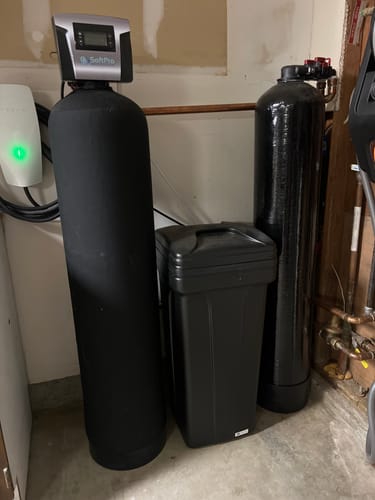
That's exactly what I discovered when I decided to tackle the fluoride and chlorine issues in my San Antonio water supply. After months of research and a somewhat bumpy installation experience, I'm here to share the real story about living with SoftPro's catalytic bone char carbon filtration system.Let me be upfront about something that bothered me from day one: this filter arrived with absolutely no identifying marks. No SoftPro logo, no model number, no manufacturer information anywhere on the unit itself. For a product that cost me a significant amount of money, this lack of identification was unsettling.
The Problem That Led Me to Whole House Filtration
Living in San Antonio means dealing with heavily treated municipal water. The chlorine smell was the first thing that hit me every morning when I turned on the shower. But the real concern was the fluoride levels - something that had been bothering my family for health reasons.
I'd tried pitcher filters and under-sink systems, but nothing addressed the whole-house issues we were facing. The chlorine was affecting our skin and hair, and I wanted a comprehensive solution that would handle both the fluoride and chlorine at the point of entry.
After researching various technologies, I learned that bone char carbon is specifically effective for fluoride removal, while catalytic carbon excels at chlorine and chloramine reduction. The combination seemed perfect for our municipal water challenges.
The tipping point came when I calculated how much we were spending on bottled water and smaller filtration systems. A whole house solution made financial sense, but I needed something proven and reliable.
Research Journey and Decision Process
I spent weeks comparing different whole house filtration technologies. Standard activated carbon filters handle chlorine well but don't touch fluoride. Reverse osmosis systems seemed overkill and wasteful for whole house applications.
The bone char technology caught my attention because it's specifically designed for fluoride reduction. When I found systems that combined catalytic carbon with bone char, it seemed like the ideal solution for our mixed contaminant situation.
SoftPro's system stood out because of its upflow design, which promised better contact time and more efficient filtration. The price point was competitive, and the specifications looked solid on paper.
What made me choose this particular system over others?
The combination of proven filtration media, upflow design for better efficiency, and reasonable pricing compared to similar systems from other manufacturers.Unboxing and Initial Concerns
When the system arrived, my first impression was positive - it looked well-constructed and substantial. The tank appeared to be high-quality fiberglass with professional fittings.
However, that's where my confidence started to waver. The complete lack of product identification was immediately concerning. No labels, no nameplates, no model numbers - nothing that would identify this as a SoftPro product or even indicate what type of media was inside.
The documentation that came with it was minimal and not particularly helpful. I expected detailed information about the bone char media, maintenance schedules, and performance specifications. What I got was a basic pamphlet that left me with more questions than answers.
This forced me to call Canagra (the apparent manufacturer) to verify that I had actually received a SoftPro filter with bone char carbon. The fact that I had to make this call was frustrating and didn't inspire confidence in the product or company.
Installation Experience and Surprises

I hired a local plumber for the installation, figuring this would be straightforward. The plumber who came for the initial installation seemed experienced, so I wasn't worried about the process.
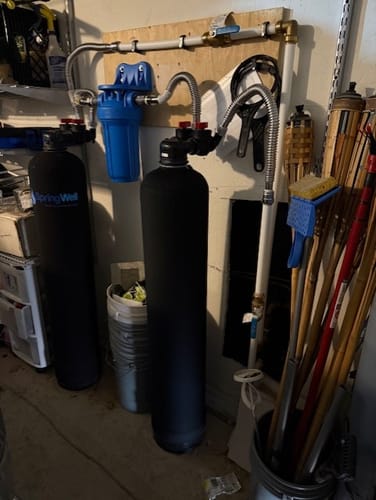
The installation itself went smoothly from a mechanical standpoint. The upflow design meant connecting the inlet at the bottom and outlet at the top, with a bypass valve for maintenance. The system integrated well with my existing plumbing.
However, nobody warned me about what happened next. When we first flushed the system, an enormous amount of loose carbon came out. This wasn't mentioned in the documentation, and neither my plumber nor I was prepared for it.
The loose SoftPro Fluoride Filter carbon immediately plugged up several faucets throughout the house. We had to shut down the system and call the plumber back. The return visit cost me additional money and could have been avoided with proper documentation.
The second plumber was much more experienced with carbon filtration systems. He immediately opened the bathtub faucet wide to flush the loose carbon, explaining that bathtub faucets typically don't have aerators that can get clogged. This simple trick cleared the system effectively.
Why wasn't this critical information included in the installation guide?
This seems like basic information that should be prominently featured in any carbon filter documentation.Performance and Water Quality Results
Once properly flushed and running, the system's performance has been impressive. The chlorine odor disappeared immediately - something I noticed within hours of the installation being completed.
I tested the water using TDS meters and chlorine test strips both before and after installation. The chlorine reduction was dramatic and immediate. The fluoride testing required sending samples to a lab, but the results confirmed significant reduction in fluoride levels.
The upflow design seems to work as advertised. Water flows through the catalytic carbon first for chlorine removal, then through the bone char for fluoride reduction. The contact time appears adequate based on the consistent results I'm seeing.
Water pressure throughout the house remained strong. I was concerned that the filtration might create noticeable pressure drops, but this hasn't been an issue even during peak usage times.
The taste improvement was immediate and noticeable. Our coffee tastes better, and the overall water quality is noticeably improved throughout the house.
Daily Living Impact and Long-term Observations
The most noticeable change has been in our shower water. The chlorine smell is completely gone, and my family has commented on how much better their skin and hair feel. We're no longer dealing with the drying effects of chlorinated water.
Our appliances seem to be responding well too. The coffee maker isn't building up mineral deposits as quickly, and our dishwasher seems to be performing better with the improved water quality.
I've been running the system for several months now, and the performance has remained consistent. No decline in chlorine removal, and the fluoride reduction appears to be holding steady based on periodic testing.
The system operates quietly and doesn't require daily attention. It's essentially a "set it and forget it" solution once properly installed and flushed.
Maintenance and Operational Costs
The maintenance requirements are reasonable for a system of this type. The bone char and catalytic carbon media will eventually need replacement, but the timeline appears to be measured in years rather than months.
Operating costs are minimal since there's no electricity required and no ongoing consumables like salt or chemicals. The only real cost will be eventual media replacement and periodic system servicing.
I appreciate that the system includes a bypass valve, making maintenance easier when the time comes. The tank design appears accessible for media replacement when needed.
Water usage for backwashing is minimal compared to some other filtration technologies I considered. The upflow design is efficient and doesn't waste significant amounts of water during operation.
Final Assessment and Recommendations
Despite my initial concerns about product identification and documentation, the SoftPro system has delivered on its primary promises. The water quality improvements are real and noticeable throughout our home.
The combination of catalytic carbon and bone char effectively addresses both chlorine and fluoride - exactly what I needed for our municipal water situation. The upflow design appears to be working as advertised for efficient filtration.
Would I purchase this system again knowing what I know now?
Yes, but with the caveat that potential buyers need to be prepared for the installation challenges and the lack of detailed documentation.This system is ideal for homeowners dealing with chlorinated municipal water who also want fluoride reduction. If you're on well water with different contaminant issues, you might need a different approach.
The price point is reasonable for the technology you're getting. Just make sure you have an experienced plumber who understands carbon filtration systems, and be prepared for the initial flushing process.
While the lack of product identification and minimal documentation remain concerning, the actual filtration performance has been solid. For addressing chlorine and fluoride in municipal water supplies, this system delivers results.